

3 Smart Food Business Lessons From HEINZ’s New Love Lid
What you need to know…
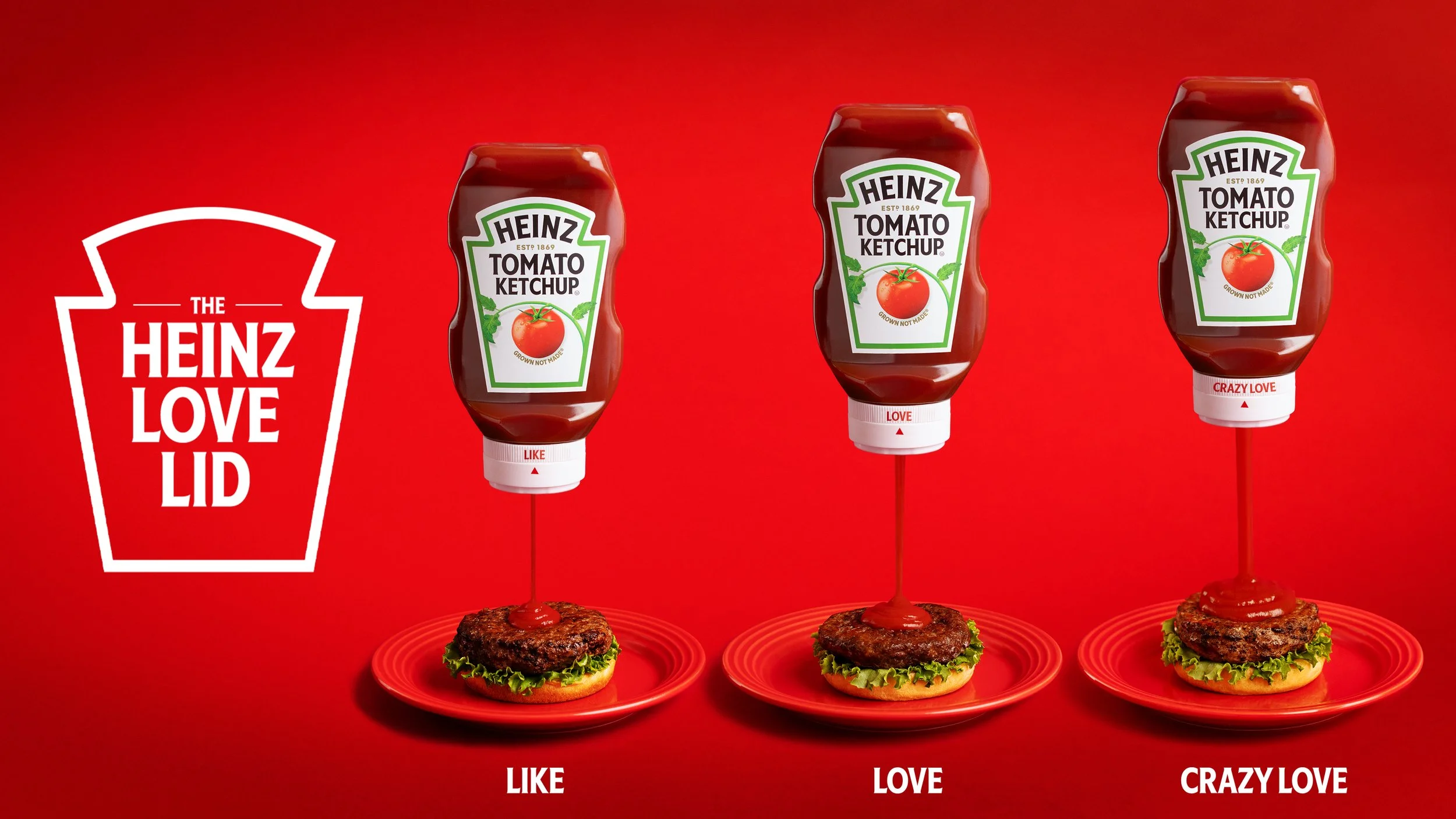
HEINZ has launched the Love Lid, a limited-edition customizable ketchup cap with three dispensing settings. Beyond the novelty, the launch offers three useful lessons for food business owners about watching customer behavior, innovating around existing products and testing ideas through limited releases.
HEINZ just gave ketchup lovers a whole new way to control their squeeze.
The brand has introduced the HEINZ Love Lid, a customizable ketchup bottle cap with three settings that control how much ketchup comes out: Like, Love and Crazy Love. The limited-edition lid launched as part of HEINZ's summer grilling campaign, giving ketchup fans the ability to adjust their pour depending on what they're eating and just how much they love ketchup.
As someone who notoriously puts way too much ketchup on my plate, I feel particularly qualified to weigh in on this innovation.
I love ketchup, especially for dipping, and I've noticed that the amount I pour is strangely related to the size of the bottle. Give me a small bottle and suddenly I'm conservative. Give me a supersized bottle and all bets are off. Before I know it, I've created a small ketchup lake on my plate.
So yes, HEINZ, I feel seen.
But if you own a food business, there's more worth paying attention to here than a clever new ketchup cap.
HEINZ did three things with this launch that food business owners can learn from. The brand paid attention to how customers were already using its product, found a way to create something new around an existing bestseller and launched the idea as a limited-edition product rather than immediately making it permanent.
All three strategies are worth stealing, if you ask me.
Lesson #1: Watch What Your Customers Are Already Doing
The idea behind the Love Lid didn't come completely out of nowhere.
HEINZ says the product was inspired by “passionate online discourse” about the different amounts of ketchup people prefer on their favorite foods. Some people want a little. Others want a lot. And then there are people like me who apparently believe the appropriate serving size is directly related to the size of the bottle sitting in front of them.
HEINZ took an existing consumer behavior and built something around it, and that's an important lesson for any food business owner because innovation doesn't always mean dreaming up something your customers have never seen before.
Sometimes it means paying closer attention to what they're already doing.
Think about the way some people eat cupcakes. Instead of trying to bite through a mountain of frosting, they tear off the bottom half of the cupcake, place it on top of the frosting and turn the whole thing into a sandwich.
If you owned a bakery and saw enough customers doing that, wouldn't you start wondering whether there was a product idea hiding in there?
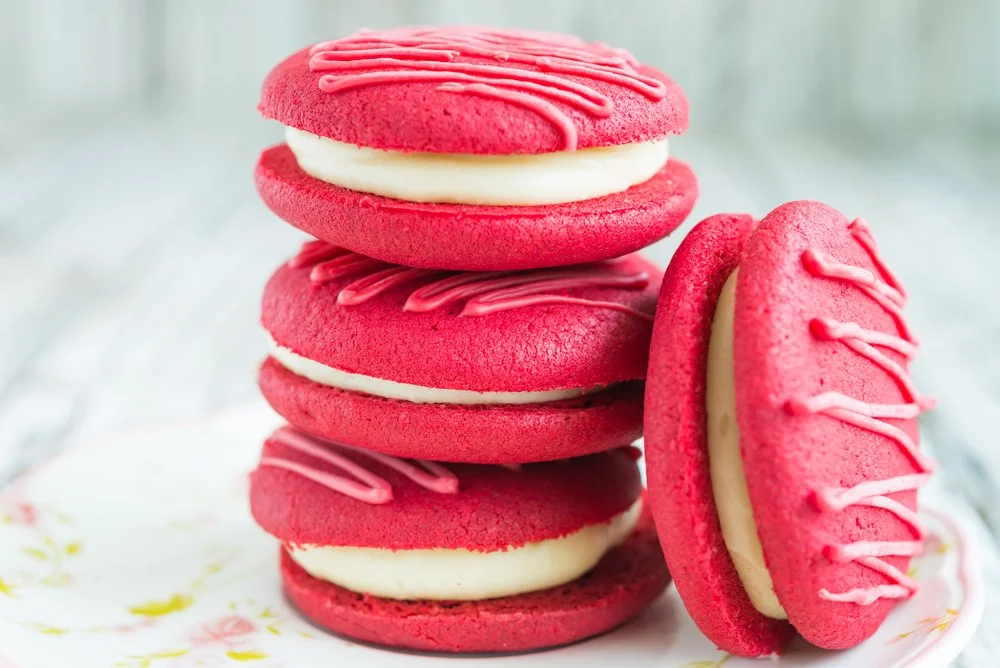
Yes, at that point you've wandered suspiciously close to a whoopie pie, but that's beside the point.
The point is that your customers may already be showing you what they want. Maybe they constantly ask your bakery for extra frosting. Maybe people regularly order two sauces together at your restaurant. Maybe customers keep asking whether one of your products comes in a smaller size. Maybe they're using one of your packaged products in a way you never intended and sharing it on social media. Maybe your employees hear the same request several times every week.
Those behaviors can be easy to dismiss as random customer preferences. However, when you start seeing or hearing the same thing over and over again, they become valuable information.
Pay attention to your reviews, comments, DMs and customer questions. Talk to the employees who interact with customers every day. Look at the modifications people make to their orders. Notice which products customers frequently buy together.
Then start asking yourself “why”.
You don't need the consumer research budget of HEINZ to listen to your customers. You just need to start looking for patterns.
Your next product idea may already be sitting in your comment section, order history or customer request inbox.
Lesson #2: You Don't Always Need a New Product to Create Something New
Here's another thing I like about the Love Lid…HEINZ didn't actually change the ketchup.
The product inside the bottle is still the familiar ketchup customers already know. What changed is the way customers interact with it. This is a useful reminder, particularly for small food businesses that can feel pressure to constantly come up with the next flavor, menu item or product.
Creating something "new" doesn't necessarily require developing an entirely new recipe.
Could you rethink the packaging?
Could you bundle existing products together?
Could you offer a different size?
Could you create a seasonal version of a bestseller?
Could you give customers a way to customize something they already love?
Could you change the way an existing product is served?
Sometimes the opportunity isn't creating another product. It's finding a new way to sell, package or experience the products that are already working.
That can be especially valuable for small food businesses because every truly new product comes with a cost.
There may be new ingredients to purchase, recipes to test, packaging to source, pricing to calculate, employees to train and production processes to figure out.
Finding a fresh way to market or experience something you already make well can create excitement without requiring you to start completely from scratch.
HEINZ managed to make people talk about ketchup without reinventing ketchup.
There's something to be said for that.
Lesson #3: Not Every Good Idea Needs to Become a Permanent Product
The final lesson comes from how HEINZ chose to launch the Love Lid.
The company didn't redesign every ketchup bottle sitting on grocery store shelves. Instead, the Love Lid is being offered for a limited time as part of a special grilling-season bundle that includes HEINZ Tomato Ketchup, the Love Lid and a guide suggesting different squeeze settings for popular summer foods.
That makes the launch feel special, but it also gives HEINZ an opportunity to introduce something new without making a permanent commitment.
Small food businesses can do exactly the same thing.
When you have a new product idea, it doesn't automatically need a permanent spot on your menu or product line.
Try it for a weekend.
Make it your flavor of the month.
Create a holiday version.
Offer a limited number for preorder.
Bundle it with one of your existing bestsellers.
Create a seasonal package around something you already sell.
Then watch what happens.
Did people buy it? Did they talk about it? Did they share it? Did customers come back asking when it would be available again?
Just as importantly, did you make money on it? Was your team able to produce it efficiently? Did it create problems you didn't anticipate?
A limited release gives you a chance to answer those questions before making a bigger commitment.
And if customers don't respond the way you hoped, that's okay too. The promotion ends, the product disappears and you've learned something without permanently adding another item to your lineup.
On the other hand, if it sells out and customers won't stop asking when you're bringing it back, you may have just discovered something worth developing further.
Either way, you've learned something.
The Takeaway | Pay Attention. Test. Learn.
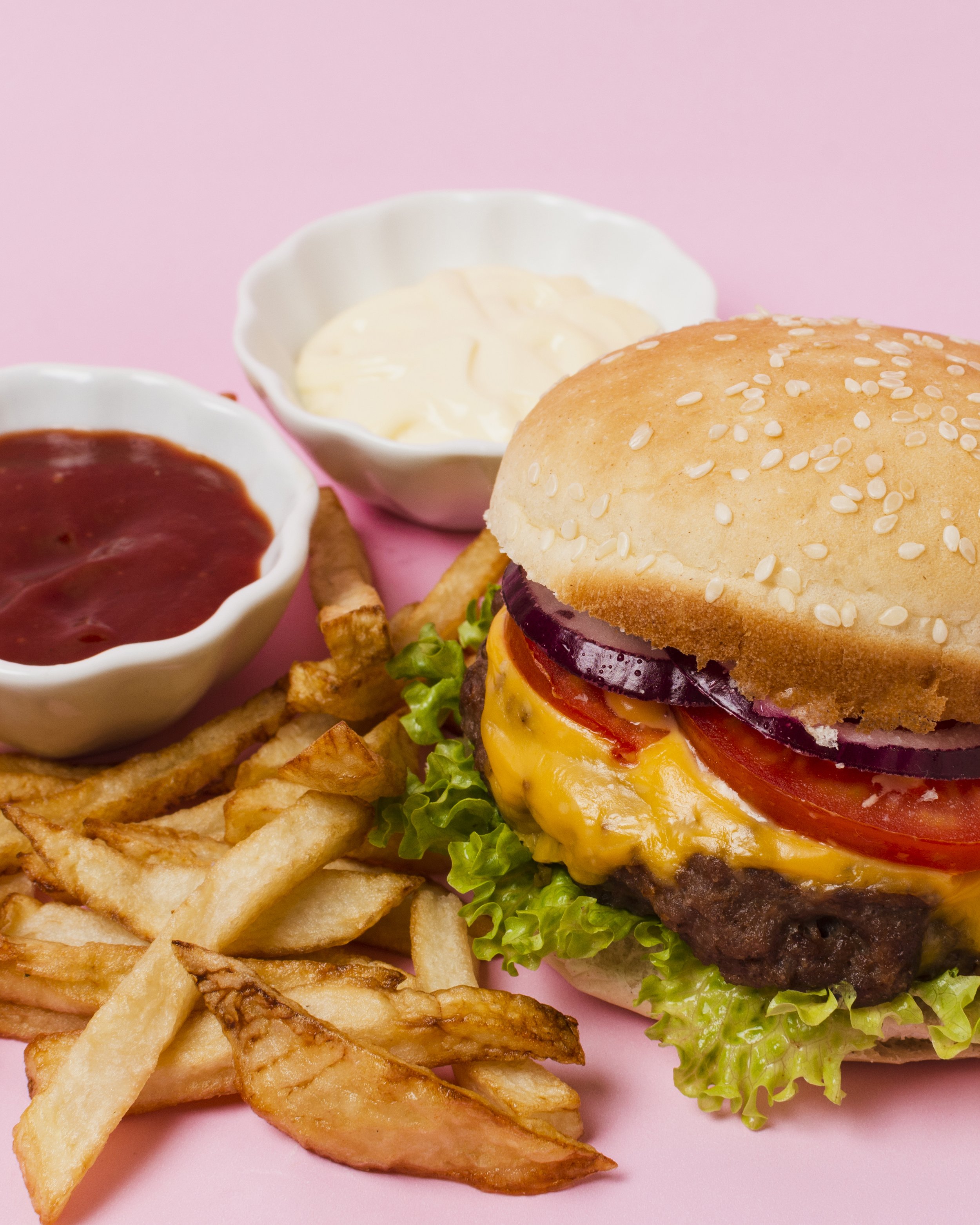
Most independent food businesses aren't going to develop a customizable bottle cap because people have strong opinions about how much ketchup belongs on a hot dog.
But that's not really the lesson of the HEINZ Love Lid.
The lesson is in the thinking behind it.
Pay attention to how customers actually interact with your products, not just how you intended for them to.
Look for opportunities to create something fresh around products that are already working.
And when you have an idea, find a small way to test it before making a bigger commitment.
You don't need to be HEINZ to do any of those things.
So the next time a customer makes an unusual request, modifies one of your products or mentions something you've heard several times before, don't automatically dismiss it.
There might be a product idea hiding in there.
And if HEINZ ever decides to make the Love Lid permanent, I'll be over here setting mine firmly to "Like" and attempting to exercise a little portion control.
At least until I need a refill.



Get inspired to stay productive and keep your business moving forward in the new year with these easy tips. From goal setting to developing a morning routine, learn how to stay focused and make real business progress this year.